

How to Pick the Right Fence Material for Your Yard
Choosing the best material for privacy fencing comes down to a few simple things: your budget, the look you want, how much upkeep you can handle, and the weather in Santa Rosa, CA. Some materials last longer. Some are easier to fix. Some give a warmer look, while others need less work over time. If you want a fence that blocks views, adds safety, and fits your home, it helps to compare materials side by side before you decide.
Quick Decision Answer
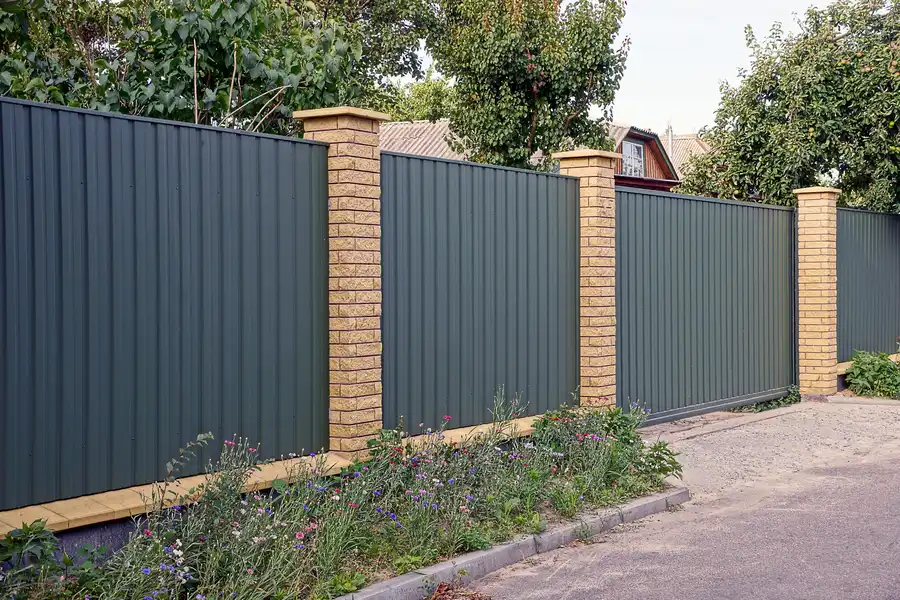
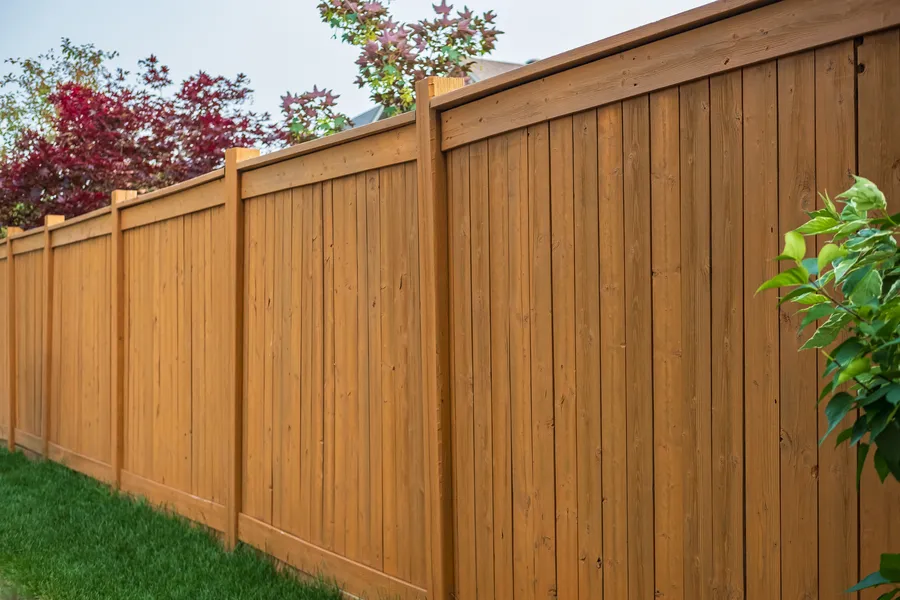
For many homes, wood privacy fencing gives a classic look and strong coverage, but it needs regular care. Vinyl often works well for people who want low upkeep and a clean style. Metal is less common for full privacy unless used with panels or mixed designs. Composite can be a smart middle ground if you want a wood-like look with less maintenance. The right pick depends on your yard, your goals, and how long you want the fence to last.
Option a Vs Option B Criteria
When people compare fence materials, they usually start with wood versus vinyl. That makes sense because both are common for backyard privacy. Wood can feel more natural and may be easier to match with older homes. Vinyl can stay looking neat with less work. If you are also comparing service category options, think about whether you want simple function, design appeal, or the lowest long-term upkeep.
Here are the main points that matter most when comparing materials:
- cost over time, not just the first install
- how well the material handles sun, rain, and wind
- how much privacy the fence actually gives
- how often it needs cleaning, sealing, or repairs
- how easy it is to replace damaged sections
- how well it fits your home’s style
Pros and Cons List
Each fencing material has good points and weak points. A quick breakdown can make the choice easier.
- wood: great natural look, easy to customize, but may warp, rot, or fade without care
- vinyl: low upkeep, resists pests and moisture, but can cost more at the start
- composite: durable and attractive, but often has a higher upfront price
- aluminum or steel with privacy panels: strong and modern, but not always the best fit for every yard
- bamboo or similar natural screens: nice look for some spaces, but may not last as long in rough weather
For example, a family with kids and pets may want a tall vinyl fence that is easy to wash and hard to damage. A homeowner who loves a natural backyard style may lean toward cedar or another wood type, even if it means more upkeep later.
Best Fit by Scenario or User Need
The best fence material often depends on how you use your yard. If your main goal is to block a close neighbor’s view, solid panels matter more than decorative detail. If you want a fence around a pool or patio, water resistance and easy cleaning can matter more. If your yard gets a lot of wind, you need material and post support that can handle pressure.
Here are a few common situations:
- choose wood if you want a warm, classic look and do not mind routine care
- choose vinyl if you want less maintenance and a clean, even finish
- choose composite if you want a longer-lasting product with a wood-style appearance
- choose reinforced systems if your area gets strong storms or shifting soil
It also helps to think about noise, pets, and security. A tall solid fence can help with all three, but only if the material stays stable over time. A fence that sags or cracks too soon may stop doing its job.
Mistakes People Make When Choosing
One common mistake is picking a material based only on the first price. A cheaper fence may cost more later if it needs frequent repairs, staining, or panel replacement. Another mistake is focusing only on color or style without thinking about local weather. Heavy rain, hot sun, and strong winds can wear out some materials faster than others.
People also forget about yard conditions. Slopes, drainage issues, and soft soil can affect how well privacy fencing performs. Even a strong material can fail early if the posts are not installed the right way. Another issue is choosing a fence height or style without checking local rules or neighborhood guidelines first.
Final Decision Checklist
Before you choose a material, ask yourself a few simple questions. This can help you avoid a fence that looks good now but creates problems later.
- do i want the most natural look or the least upkeep?
- how much direct sun and rain does my yard get?
- will this fence need to hold up around kids or pets?
- am i ready for staining, sealing, or repainting if needed?
- does this material fit the style of my home?
- will i need repairs that are easy to handle down the road?
- have i checked local height or placement rules?
A smart choice balances appearance, strength, and upkeep. That usually leads to better long-term value and fewer headaches.
When Professional Help Makes Sense
Expert help can save time when you are dealing with uneven ground, drainage problems, tight property lines, or special privacy needs. A professional can also help you compare material life span, post depth, panel style, and gate placement. That matters when you want your fence to last and work well from day one. It is also a good idea to get help if you are not sure which material fits your yard conditions.
Get Help Choosing the Right Fence
If you are planning a fence project in Santa Rosa, CA, I can help you sort through the best options for your yard. At Bravo's Fencing & Repair, I focus on practical advice and solid results. Call me at (707) 331-4265 if you want help comparing materials, planning your layout, or choosing privacy fencing that fits your home.