

Simple Care Steps That Help Your New Fence Last Longer
Good care after metal fence installation helps your fence stay strong, clean, and good-looking for years. The main goals are simple: keep dirt and moisture off the fence, watch for early rust or loose parts, and fix small problems before they grow. In places like Santa Rosa, CA, weather, yard debris, and daily use can all affect how well a fence holds up over time.
Why Prevention Matters
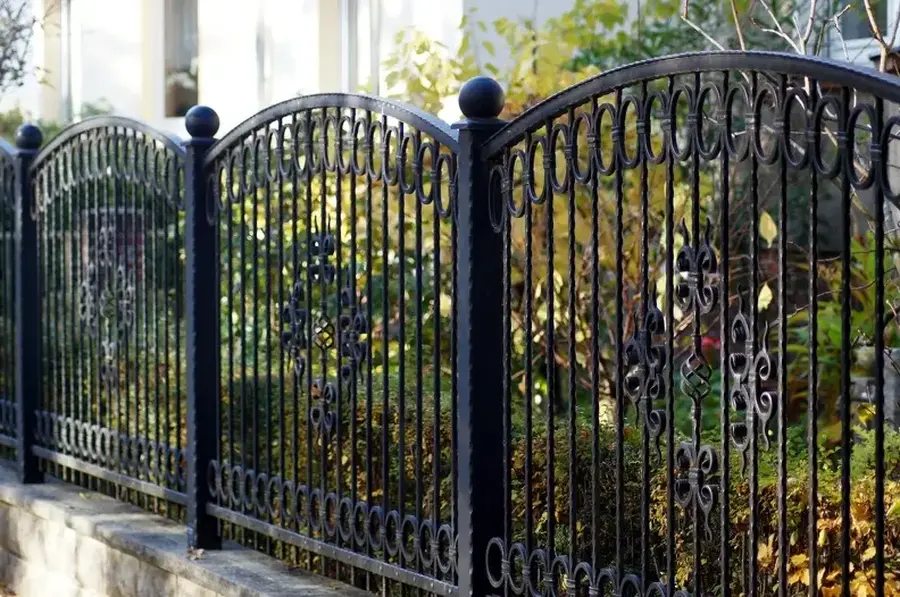
A metal fence is built to last, but it still needs regular care. Rain, sprinklers, mud, and lawn tools can all wear it down little by little. If you ignore small signs of damage, the finish can break down and rust can start. A fence service job is much easier when problems are caught early. Prevention saves time and helps protect your yard’s look and safety.
Right after metal fence installation, the fence may look perfect and worry-free. That is the best time to start a care routine. Clean habits in the first few months can make a big difference later. A few simple checks each season can help you avoid bent rails, chipped coating, and weak hardware.
Early Warning Signs
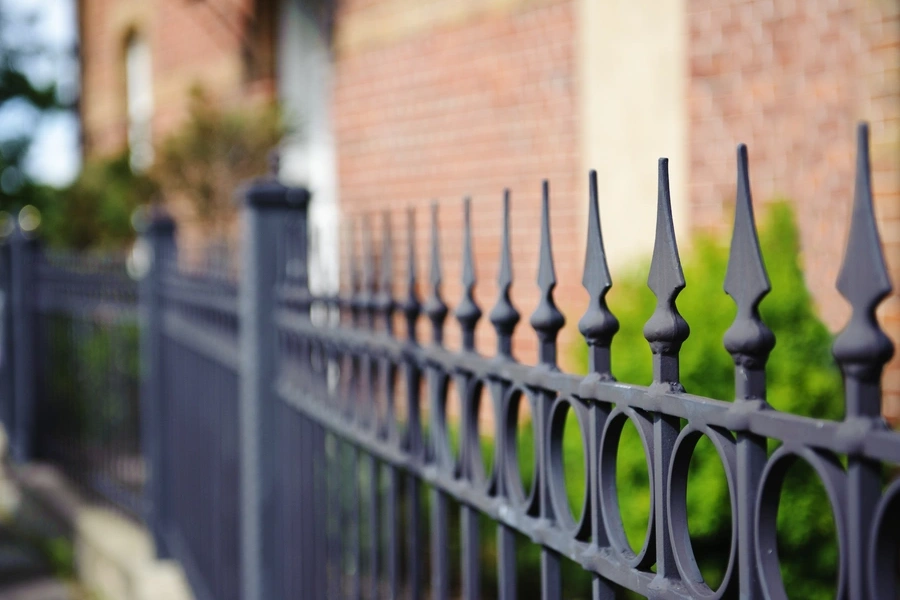
Small changes often show up before major damage happens. If you know what to watch for, you can act fast.
- Rust spots near joints, screws, or the bottom of posts
- Loose panels or shaking sections
- Scratches, chips, or peeling finish
- Standing water near fence posts
- Gates that drag, stick, or will not latch well
- Soil movement that leaves gaps under the fence
These signs do not always mean a large repair is needed right away. Still, they should not be ignored. For example, a small chipped spot can turn into a rust patch after a few rainy weeks. A gate that sags a little today may strain the hinges and latch later.
Seasonal or Routine Checklist
A simple checklist helps you stay on track. You do not need special tools for most of this work. A hose, soft cloth, mild soap, and a careful eye are often enough.
- Rinse off dust, grass, and pollen every few weeks.
- Wash dirty spots with mild soap and water.
- Check the base of each post for pooling water.
- Look for scratches or worn coating after storms.
- Test the gate to see if it swings and latches smoothly.
- Tighten loose screws or hardware if safe to do.
- Trim plants and weeds away from the fence line.
- Move sprinklers if they spray the fence every day.
Spring is a good time to clean off winter grime and check for moisture damage. Summer is a smart time to watch for sprinkler overspray and fast plant growth. In fall, clear leaves and wet debris away from the fence base. In winter, check after hard freezes or strong wind if that weather is common in your area.
Best Practices for Long-Term Results
Long-term fence care is mostly about keeping the finish in good shape. The protective coating on a metal fence helps block moisture and air from touching the metal. Once that layer is damaged, rust can form more easily. That is why gentle cleaning and early touch-up work matter so much.
Keep soil, mulch, and wet leaves from sitting against the bottom of the fence. Constant contact with moisture can wear down the coating faster. If your yard has low spots, improve drainage so water does not stand near posts. This is extra helpful after metal fence installation because the ground around new posts may settle a bit.
It also helps to use your gate with care. Slamming a gate puts stress on hinges, latches, and posts. If children use the gate often, remind them to close it gently. If you notice rubbing or sagging, fix it early. A small hinge adjustment can prevent a bigger repair later.
What Not to Do
Some common habits can shorten the life of a fence, even when people mean well. Avoid harsh methods that strip away the finish or trap moisture where it should not be.
- Do not use strong chemicals unless the maker approves them.
- Do not scrape the fence with rough metal tools.
- Do not let vines grow all over the panels.
- Do not pile mulch high against posts or rails.
- Do not ignore small rust spots or loose hardware.
- Do not hit the fence with mowers or string trimmers.
Vines may look nice at first, but they can hold moisture and hide damage. Lawn equipment can also chip the coating near the ground. That area is one of the first places rust may start, so it needs extra care.
When to Schedule Professional Help
Some fence issues are easy to handle on your own, but others need a trained eye. If several sections are loose, if rust keeps coming back, or if a gate post is leaning, it is smart to get help. Problems with footings, alignment, or post stability can become bigger if they are handled the wrong way.
You may also want professional help after major storms, flooding, or ground shifting. A pro can check if the fence is still level and secure. This matters most when safety is a concern, such as around children, pets, or pool areas. If your fence has a special finish or custom parts, proper repair methods will help keep it looking even and lasting longer.
Get Help When Your Fence Needs Extra Attention
If you need help caring for a fence in Santa Rosa, CA, I can take a close look and point out problem spots before they get worse. My goal at Bravo's Fencing & Repair is to give clear, honest help for metal fence installation care and repairs. Call me at (707) 331-4265 if you want to talk about the next steps or set up a visit.